Design System
Renaissance Insurance is one of Russia's largest insurers, trusted by more than 5 million clients. Travel insurance was already generating revenue for the company, but it only existed as a desktop version: mobile traffic was growing, and buying a policy from a phone was simply impossible. On top of that, the interface loaded slowly and didn't guide users through the process — research confirmed both.
Renaissance Insurance · InsurTech · 2017–2018 · Product Designer
Goal
Bring every product to a single visual language, and build a system that lets teams design, build, and test new screens faster.
Process
I initiated the design system, built the business case for it, and built it from scratch together with engineers, product managers, and marketers. The foundation is Brad Frost's Atomic Design — components structured by hierarchy, from atoms to full screens. Each component ships with documentation and usage examples, so teams can pick it up without guessing when and how to apply it.

Components
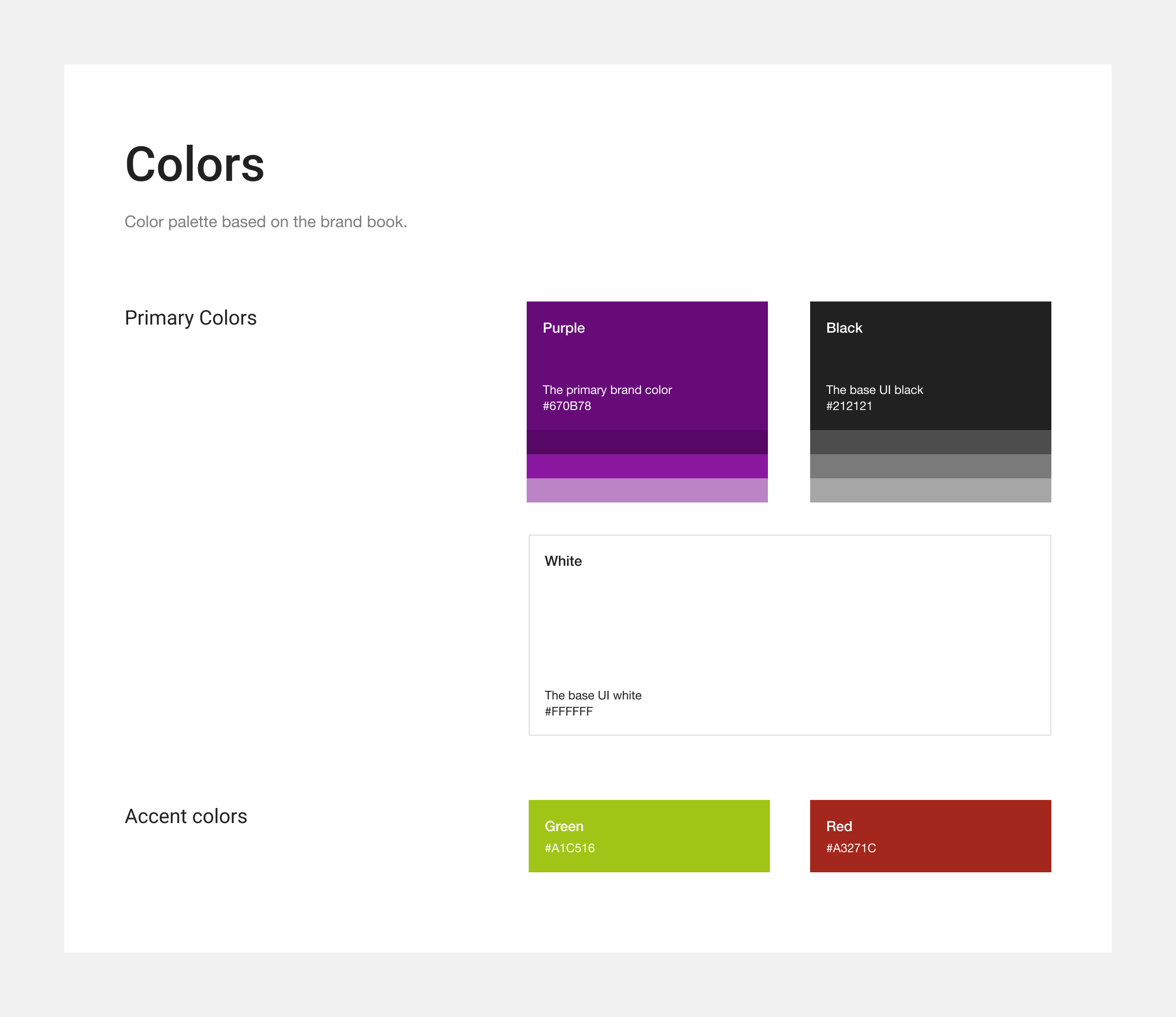
The system is built on Brad Frost's Atomic Design principles — components are structured around hierarchy, from basic elements to full screens. The library includes: typography, colors, grid, spacings, animations, illustrations, alerts, buttons, cards, dropdowns, forms, inputs, loaders, labels, and links.
Attach
Calendar
Checkbox
Grid
Spacings
Typography
Colors
Animation
Illustrations
Alerts
Buttons
Cards
Dropdown
Form
Input
Loader
Label
Link

Illustrations by Ilya Mesheryakov
Usage
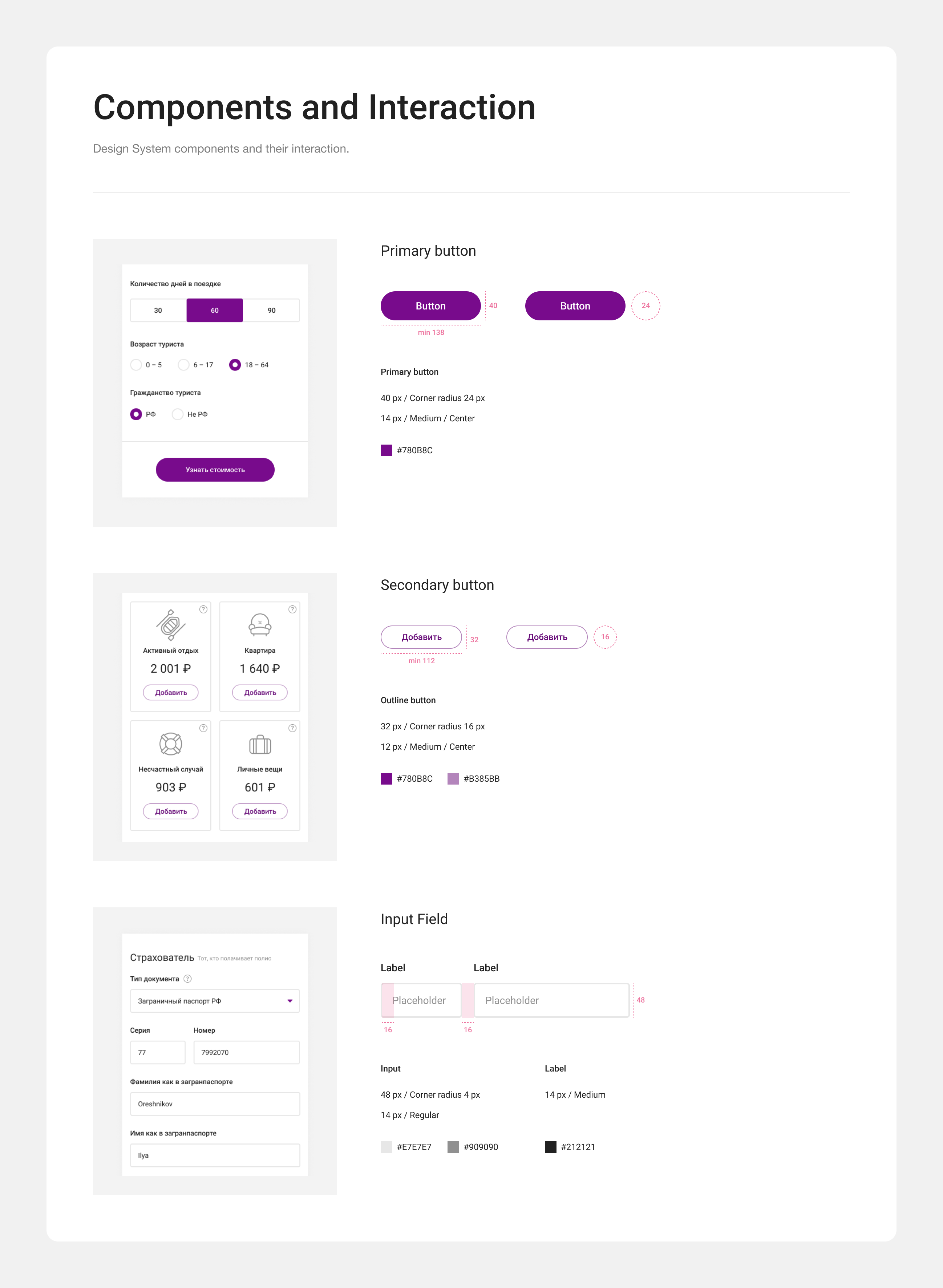
Each component comes with documentation and usage examples — showing when and how to apply it. This allows teams to design and develop faster, without ambiguity or inconsistency.
Outcome
25%
reduction in screen design time
Interface consistency was achieved across the entire product line. Building a design system isn't just about components and documentation — it's about creating a shared language inside a company. After the rollout, teams stopped solving the same problems in different ways: one standard emerged, and everyone followed it.
Special thanks to Ilya Meshcheryakov for his ideas, work, and illustrations.